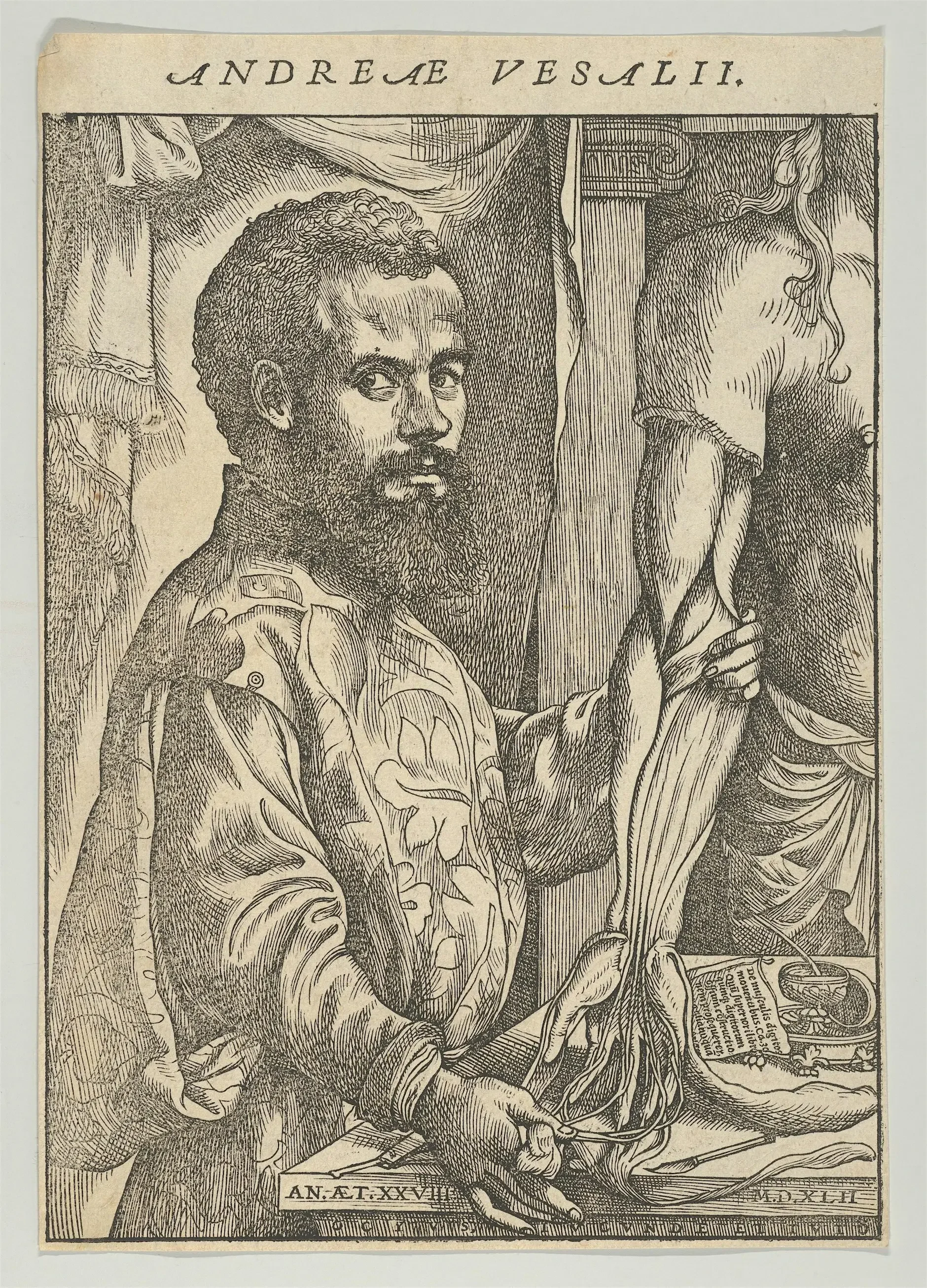
How do printed portraits depict the changing and expanding knowledge about nature in the sixteenth and seventeenth centuries? Discover the portraits of early modern astronomers, anatomists, and natural historians and find out the stories behind the prints.
The origins of modern science are often traced back to the so-called ‘scientific revolution’ of the sixteenth and seventeenth centuries. Visit Thin Ice Press to learn about the vital role printmaking had in visualising scientific knowledge and shaping scientific identities. Come face to face with iconic men and women engaged in the study of nature, from the astronomer Nicolaus Copernicus to the entomologist Maria Sibylla Merian.
Discover how printed portraits were made and explore the dynamic relationship between the image and the surrounding or embedded text to communicate the work of the sitter. Join in a portrait printing activity and take home a keepsake of the event.
Irina Tautschnig is a postdoctoral research associate in the Department of English and Related Literature at the University of York. She specialises in early modern Latin and Greek poetry. At York, she works on the research project “Scientific Poetry and Poetics from the Renaissance to the Enlightenment” (scientificpoetry.org), editing and translating Neo-Latin verse on comets, microscopes, rainbows, electric sparks and other interesting things for the first anthology of scientific poetry between the sixteenth and eighteenth centuries.
Presented as part of the Festival of Ideas.